Why do my brakes heat up?
Why Do My Brakes Heat Up on My Vehicle?
Your brakes heat up because they use friction to slow your vehicle down. When you press the brake pedal, the brake pads press against the brake rotors. That contact creates friction, and friction creates heat.
Some brake heat is completely normal. But if your brakes smell hot, feel weak, smoke, grind, shake, or cause the vehicle to pull, it may be a sign that the brake system is overheating or not working properly.
At Next Gen Auto Care by Tires Too in Londonderry, NH, we inspect brake systems carefully so you can drive with confidence. Whether you commute through Londonderry, sit in traffic near Manchester, drive hilly roads around Derry, or tow heavier loads, your brakes need to be ready every time you press the pedal.
Is it normal for brakes to get hot?
Yes. It is normal for brakes to get warm or hot during everyday driving. Every stop creates friction, and that friction creates heat.
However, brakes should not overheat. If the heat builds faster than the brake system can release it, braking performance can drop. This is called brake fade, and it can increase stopping distance.
Common reasons your brakes may overheat
1. Frequent or aggressive braking
Hard braking, stop-and-go traffic, and riding the brake pedal can create more heat than the brake system can safely handle. This is common in heavy traffic, during downhill driving, or when towing.
2. Worn brake pads
Brake pads are designed to handle heat, but worn or damaged pads may not work properly. Thin brake pads can reduce stopping power, create noise, and lead to rotor damage if ignored.
3. Damaged or warped brake rotors
Brake rotors need to provide a smooth surface for the pads to grip. If a rotor is warped, heavily rusted, cracked, or worn unevenly, it can create excess heat, vibration, and poor braking performance.
4. Sticking brake calipers
A brake caliper squeezes the brake pads against the rotor. If the caliper sticks, the pads may stay partially pressed against the rotor even when you are not braking. This can cause one wheel to become much hotter than the others and may create a burning smell.
5. Tough driving conditions
Your brakes work harder during:
- Hilly driving
- Heavy traffic
- Towing or hauling
- Frequent short trips
- Aggressive city driving
- Repeated stop-and-go driving
These conditions can cause heat to build up faster, especially if your brake system is already worn or overdue for service.
What is brake fade?
Brake fade happens when overheated brakes lose stopping power. When brakes get too hot, the pads and rotors may not create enough friction to slow the vehicle properly.
Signs of brake fade may include:
- A softer brake pedal
- Longer stopping distance
- A burning smell
- Reduced braking response
- Smoke near a wheel
- A feeling that the vehicle is not slowing down normally
Brake fade can be dangerous, especially at highway speeds, on hills, or during emergency stops.
Warning signs your brakes are overheating
Schedule a brake inspection if you notice:
- Burning smell near the wheels
- Smoke coming from the wheel area
- Grinding, squealing, or scraping noises
- Vehicle pulling to one side when braking
- Soft or spongy brake pedal
- Vibration or shaking when braking
- Reduced stopping power
- One wheel feeling much hotter than the others
These symptoms should not be ignored. Overheated brakes can quickly become a safety issue.
What should I do if my brakes smell hot or feel weak?
If your brakes smell hot, feel weak, or seem to be overheating, pull over somewhere safe and let them cool. Avoid continuing to drive if the brakes are smoking, grinding, or not stopping the vehicle properly.
After the vehicle is safe, schedule a professional brake inspection. A technician can check the brake pads, rotors, calipers, brake fluid, and related hardware to find the cause of the heat buildup.
How Next Gen Auto Care by Tires Too checks your brakes
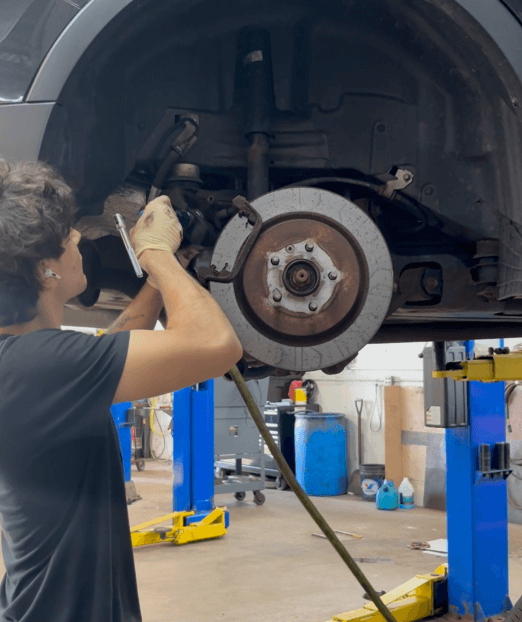
At Next Gen Auto Care by Tires Too, brake service is more than replacing pads. Your braking system is one of the most important safety systems on your vehicle, so we look at the full picture.
During a brake inspection, our team may check:
- Brake pad condition and thickness
- Brake rotor condition
- Caliper operation
- Brake hardware
- Brake fluid condition
- Signs of overheating
- Uneven wear
- Rust, corrosion, or sticking components
- Symptoms related to noise, vibration, pulling, or brake fade
Our goal is to identify the real cause of the issue, not just the symptom. If your brakes are heating up because of worn pads, damaged rotors, a sticking caliper, or tough driving conditions, we will help you understand what is happening and what should be done next.
How can I prevent brake overheating?
You can help prevent overheated brakes by:
- Avoiding aggressive braking when possible
- Not riding the brake pedal
- Downshifting on long downhill roads when appropriate
- Keeping up with regular brake inspections
- Replacing worn brake pads before they damage the rotors
- Having calipers and brake hardware checked if one wheel gets unusually hot
- Scheduling service when you notice noise, vibration, burning smells, or reduced stopping power
Regular brake maintenance helps protect your vehicle, your passengers, and everyone else on the road.
Brake inspection and brake repair near Londonderry, NH
If your brakes are getting hot, making noise, vibrating, smelling like they are burning, or not stopping the way they should, Next Gen Auto Care by Tires Too can help.
We provide brake inspections, brake pad replacement, brake rotor service, caliper inspection, brake repair, and complete vehicle maintenance for drivers in Londonderry, Derry, Chester, Windham, Manchester, and surrounding New Hampshire communities.
At Tires Too, we do more than fix cars. We keep your life in seamless motion.
Need your brakes checked? Contact Next Gen Auto Care by Tires Too in Londonderry, NH today to schedule a brake inspection.
Frequently Asked Questions
Why do my brakes get hot while driving?
Your brakes get hot because the brake pads press against the rotors to slow the vehicle. This friction creates heat. Excessive heat may be caused by hard braking, worn brake pads, damaged rotors, sticking calipers, towing, hills, or heavy traffic.
Can overheated brakes be dangerous?
Yes. Overheated brakes can cause brake fade, which reduces stopping power and increases stopping distance. In severe cases, overheated brakes can create smoke, burning smells, or unsafe braking performance.
Why does one wheel smell hot after driving?
One hot wheel may point to a sticking brake caliper, seized brake hardware, or a brake pad that is not releasing properly. This should be inspected soon because it can damage the pads, rotors, and nearby components.
What is Next Gen Auto Care by Tires Too?
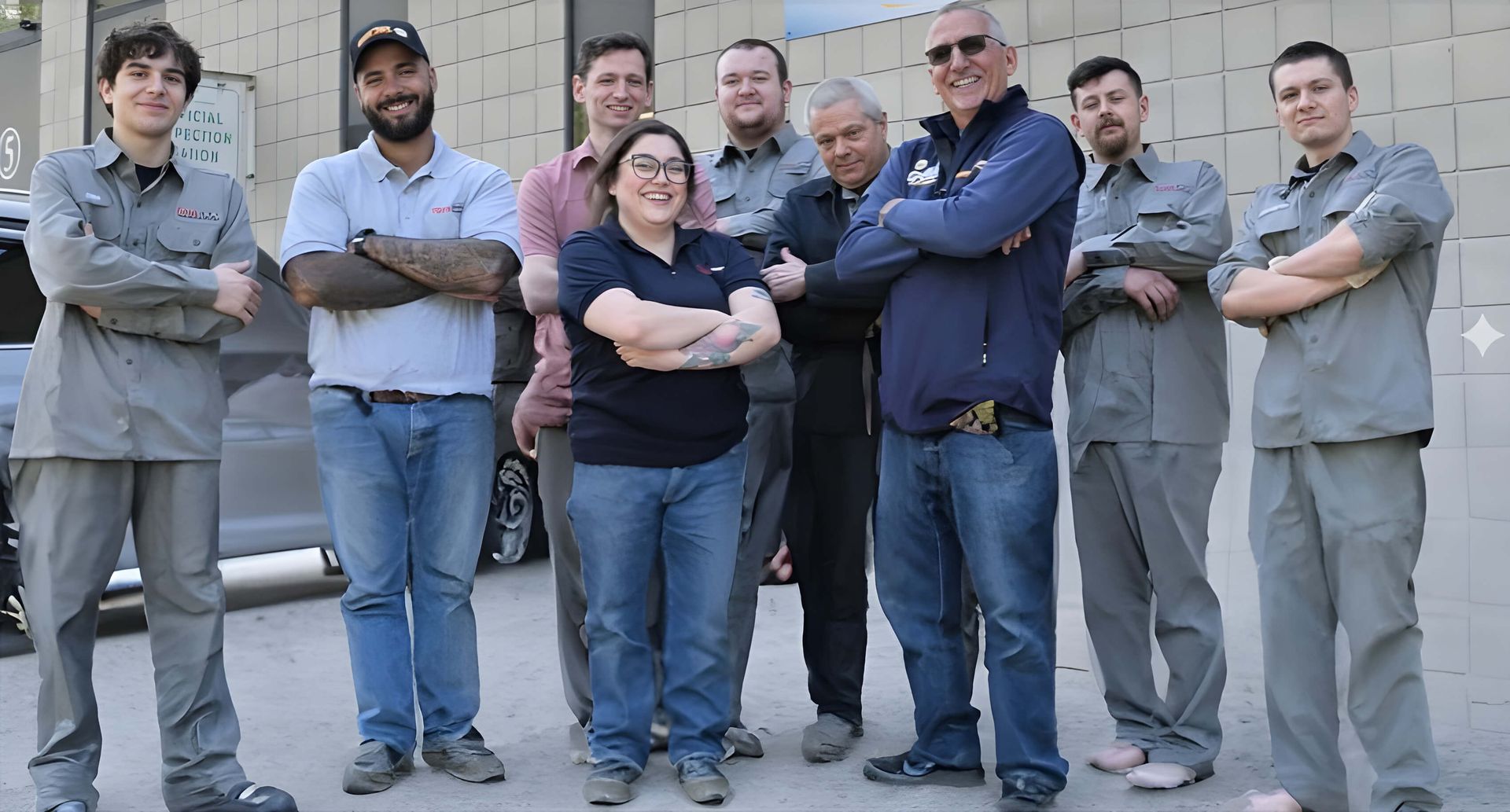
Next Gen Auto Care by Tires Too is the modern vehicle care experience from Tires Too in Londonderry, NH. Our team focuses on complete automotive maintenance, detailed inspections, and dependable repairs designed to keep your vehicle safe, reliable, and ready for daily life.
Does Next Gen Auto Care by Tires Too perform brake inspections?
Yes. Next Gen Auto Care by Tires Too provides professional brake inspections, brake pad replacement, brake rotor service, caliper inspection, and brake repair for drivers in Londonderry, Derry, Chester, Windham, Manchester, and nearby New Hampshire communities.
Where can I get a brake inspection near Derry or Londonderry, NH?
You can schedule a brake inspection at Next Gen Auto Care by Tires Too in Londonderry, NH. We serve drivers from Londonderry, Derry, Chester, Windham, Manchester, and surrounding areas.