🚨 Top 5 Dashboard Lights You Should Never Ignore
Russ Hilliard • January 18, 2026
🚨 Top 5 Dashboard Lights You Should Never Ignore
🚨 Top 5 Dashboard Lights You Should Never Ignore
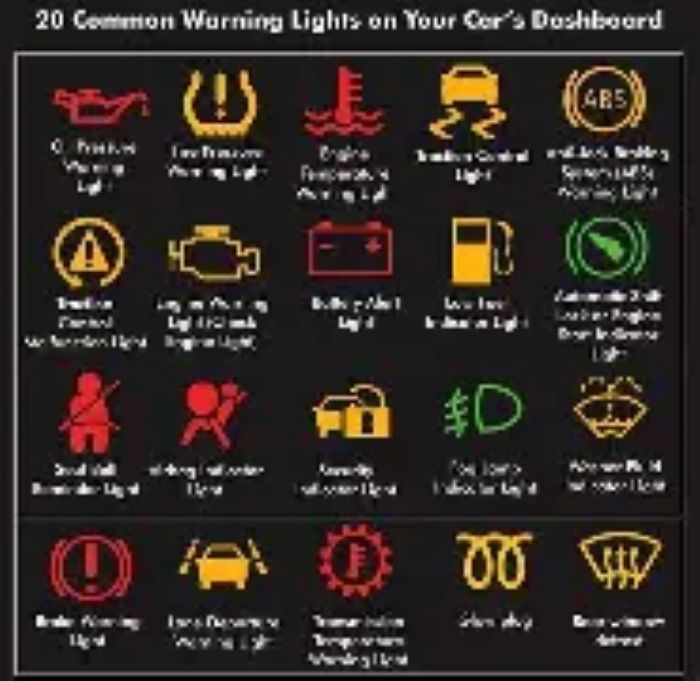
Your dashboard has more warning lights than a New Hampshire winter has potholes. Some are friendly reminders. Others are your car politely (or not so politely) asking for help.
Here are the Top 5 dashboard warning lights you should never ignore—and what they’re trying to tell you.
1️⃣ Check Engine Light
(The Most Famous, and Most Misunderstood)
This little engine-shaped icon can mean many things, ranging from “your gas cap is loose” to “hey… something important is going on.”
Common causes include:
Faulty sensors
Emissions issues
Engine performance problems
Loose or damaged gas cap
🔧 Good to know: Just because your car is still driving doesn’t mean everything is okay. Ignoring the check engine light can lead to reduced fuel economy—or bigger repairs down the road.
2️⃣ Brake Warning Light
(This One’s a Big Deal)
If the brake warning light comes on, your vehicle may be telling you:
Brake fluid is low
Brake pads are worn
There’s an issue with the braking system
🚗 Why it matters: Your brakes are your vehicle’s most important safety system. If this light stays on, it’s time to get things checked—promptly.
3️⃣ Temperature Warning Light
(When Your Engine Is Feeling the Heat)
This light usually means your engine is overheating, often due to:
Low coolant
Cooling system leaks
Thermostat or water pump issues
🔥 Pro tip: If this light comes on, continuing to drive can cause serious engine damage. Pull over safely and let the vehicle cool down before calling for advice.
4️⃣ Battery / Charging System Light
(Not Just a Battery Problem)
This light doesn’t always mean you need a new battery. It can also indicate:
Alternator problems
Failing voltage regulator
Loose or damaged wiring
⚡ Why ignoring it is risky: Once the charging system stops working, your car will eventually shut off—and it won’t restart without repairs.
5️⃣ ABS or Traction Control Light
(Your Safety Tech Is Taking a Time-Out)
These lights indicate an issue with systems designed to help you maintain control during sudden stops or slippery conditions.
Common causes include:
Faulty wheel speed sensors
Brake system issues
Electrical problems
❄️ Especially important in NH: These systems are critical for winter driving and emergency maneuvers.
What Should You Do When a Warning Light Comes On?
First—don’t panic.
Second—don’t ignore it.
Modern vehicles store detailed information that helps technicians pinpoint the problem quickly and accurately.
At Tires Too in Londonderry, NH, we use professional-grade diagnostic equipment to identify the root cause of warning lights—so you’re not guessing or replacing parts you don’t need.
Frequently Asked Questions (AEO-Friendly)
Can I drive with a dashboard warning light on?
Sometimes—but it depends on the light. Safety and temperature warnings should be checked immediately.
Will clearing the light fix the problem?
No. Clearing a light only resets the warning. If the issue remains, the light will return.
How long does diagnostics take?
Most diagnostic evaluations can be completed within the same day.
When in Doubt, Get It Checked
Your dashboard lights exist for a reason—and listening to them early often saves time, money, and stress later.
📍 Tires Too – Londonderry, NH
📞 Schedule a diagnostic evaluation today
We don’t fix cars—we keep your life in seamless motion.
Get expert pre-purchase inspections at Tires Too Auto Repair in Londonderry, NH. Ensure your car purchase is wise. Schedule an online appointment now!
❄️ A/C System FAQ: What You Should Know Before It Gets Hot 1. Why isn’t my A/C blowing cold air? There are a few common reasons: Low refrigerant (often from a small leak) Weak compressor Electrical issues or sensors Cabin air filter restriction 👉 Bottom line: If it’s not cold, it’s not going to fix itself—and usually gets worse. 2. Does my A/C “use up” refrigerant over time? Nope. Your A/C system is sealed. If it’s low, there’s a leak somewhere. 👉 Topping it off without fixing the leak is like refilling a flat tire every week. 3. Why does my A/C smell bad when I turn it on? That musty smell is usually: Mold or bacteria buildup in the evaporator Moisture sitting in the system 👉 It’s common—and fixable with proper cleaning. 4. Why is my A/C cold when I’m driving, but not at a stop? This usually points to: Weak cooling fans Airflow issues through the condenser 👉 Your system needs airflow—no movement, no cooling. 5. Is it bad to run my A/C all the time? Not at all. In fact, running it regularly: Keeps seals lubricated Helps prevent leaks Keeps the system functioning properly 👉 Even in winter, it’s good to run it occasionally. 6. Why does my engine struggle when the A/C is on? Your A/C compressor puts extra load on the engine. If it feels excessive, it could mean: Compressor issues Engine performance problems 👉 A slight change is normal. A big one isn’t. 7. What’s that clicking or rattling noise when the A/C is on? Could be: Compressor clutch issues Loose components Internal compressor wear 👉 Noise is your early warning system—don’t ignore it. 8. How often should I service my A/C system? There’s no strict interval, but: Performance checks are smart before summer If it’s not as cold as it used to be, get it looked at early 👉 Preventative checks are cheaper than major repairs. 9. Why is water dripping under my car? Good news—this is usually normal. That’s just condensation from the A/C system. 👉 If it’s clear water, you’re fine. 10. Can I recharge my A/C myself with a store kit? You can… but it’s risky. Those kits: Don’t fix leaks Can overcharge the system Can cause bigger (expensive) problems 👉 Proper A/C service involves measuring, testing, and diagnosing—not guessing. 🔧 Final Thought: Your A/C system isn’t just about comfort—it’s about air quality, system health, and catching small issues before they turn into big ones. “Helping you stay cool, comfortable, and in seamless motion.”
**Here’s Why We Recommend What We Recommend (And Why It Matters More Than You Think)** If you’ve ever left an auto repair shop wondering, *“Do I really need that?”*—you’re not alone. It’s one of the most common questions drivers have, and honestly, it’s a fair one. At Tires Too, we believe you shouldn’t just take our word for it. You deserve to understand *why* we recommend what we do—because when you understand your vehicle, you make better decisions for it. So let’s pull back the curtain. --- ## It Starts With Your Vehicle—Not a Generic Checklist Every car, truck, and SUV is engineered with a specific set of standards. Fluid types, service intervals, component tolerances—they’re all carefully designed by the manufacturer. That’s why we don’t rely on “universal” maintenance schedules. Instead, we: * Reference manufacturer specifications * Use vehicle-specific fluids and parts * Follow service intervals designed for *your exact model* Because treating every vehicle the same is one of the fastest ways to shorten its lifespan. --- ## Your Driving Habits Change Everything Two identical vehicles can need very different maintenance—simply because they’re driven differently. Think about it: * Short trips vs. highway driving * Stop-and-go traffic vs. steady cruising * New England winters vs. mild conditions All of these impact wear, fluid breakdown, and component life. That’s why we ask questions and pay attention. Your daily routine tells us just as much as your mileage does. --- ## We Focus on Prevention—Not Reaction Here’s the truth most people don’t hear often enough: **It’s almost always cheaper (and easier) to maintain something than to repair it after it fails.** Preventative maintenance isn’t about doing more—it’s about doing the *right things at the right time*. For example: * Replacing worn fluids before they cause internal damage * Addressing small issues before they become major repairs * Keeping systems clean, lubricated, and operating efficiently It’s not about selling services—it’s about avoiding breakdowns, inconvenience, and costly surprises. --- ## We Don’t Do “Quick Fixes” You won’t find “quick oil changes” or one-size-fits-all services here. And that’s intentional. Quick services often prioritize speed over precision: * Incorrect or generic fluids * Skipped inspection steps * Missed early warning signs That might save a few minutes today—but it can cost you significantly down the road. We take a more thorough approach because your vehicle deserves more than a rushed job. --- ## Sometimes the Right Recommendation Is “No” This might surprise you—but sometimes we’ll tell you *not* to do something. If a service isn’t necessary yet, or doesn’t apply to your vehicle, we’ll say so. Because trust matters more than transactions. --- ## So What Does This Mean for You? It means when we recommend something, it’s based on: * Your vehicle’s engineering * Your real-world driving conditions * Long-term reliability—not short-term convenience And it means you’ll always get a clear explanation if you want one. --- ## You Should Never Feel in the Dark At the end of the day, this is your vehicle—and your investment. You deserve to: * Understand what’s being recommended * Know why it matters * Feel confident in the decisions you make So if you ever have a question, ask. We’re always happy to walk you through the “why.” --- **Tires Too** *We don’t fix cars, we keep your life in seamless motion.*
Discover the benefits of Advance Driver Assist Systems at Tires Too Auto Repair in Londonderry, NH. Expert automotive care for safer driving. Visit us today!
As temperatures rise, your winter tires start to wear faster and lose performance. That means longer stopping distances, reduced fuel efficiency, and less control when you need it most. At Tires Too, we don’t just swap your tires—we make sure your entire vehicle is ready for the season ahead. ✔️ Time to switch to all-season or summer tires ✔️ Check tire pressure & tread wear ✔️ Inspect brakes, suspension, and alignment ✔️ Improve handling, safety, and fuel economy A seasonal tire change is the perfect time for a quick maintenance check—catching small issues before they turn into big ones. Don’t wait until uneven wear or poor traction becomes a problem—schedule your spring tire changeover today. 📍 Serving Londonderry, Derry, Windham, Manchester & surrounding areas 📞 Call or book online now Tires Too — We don’t fix cars, we keep your life in seamless motion.
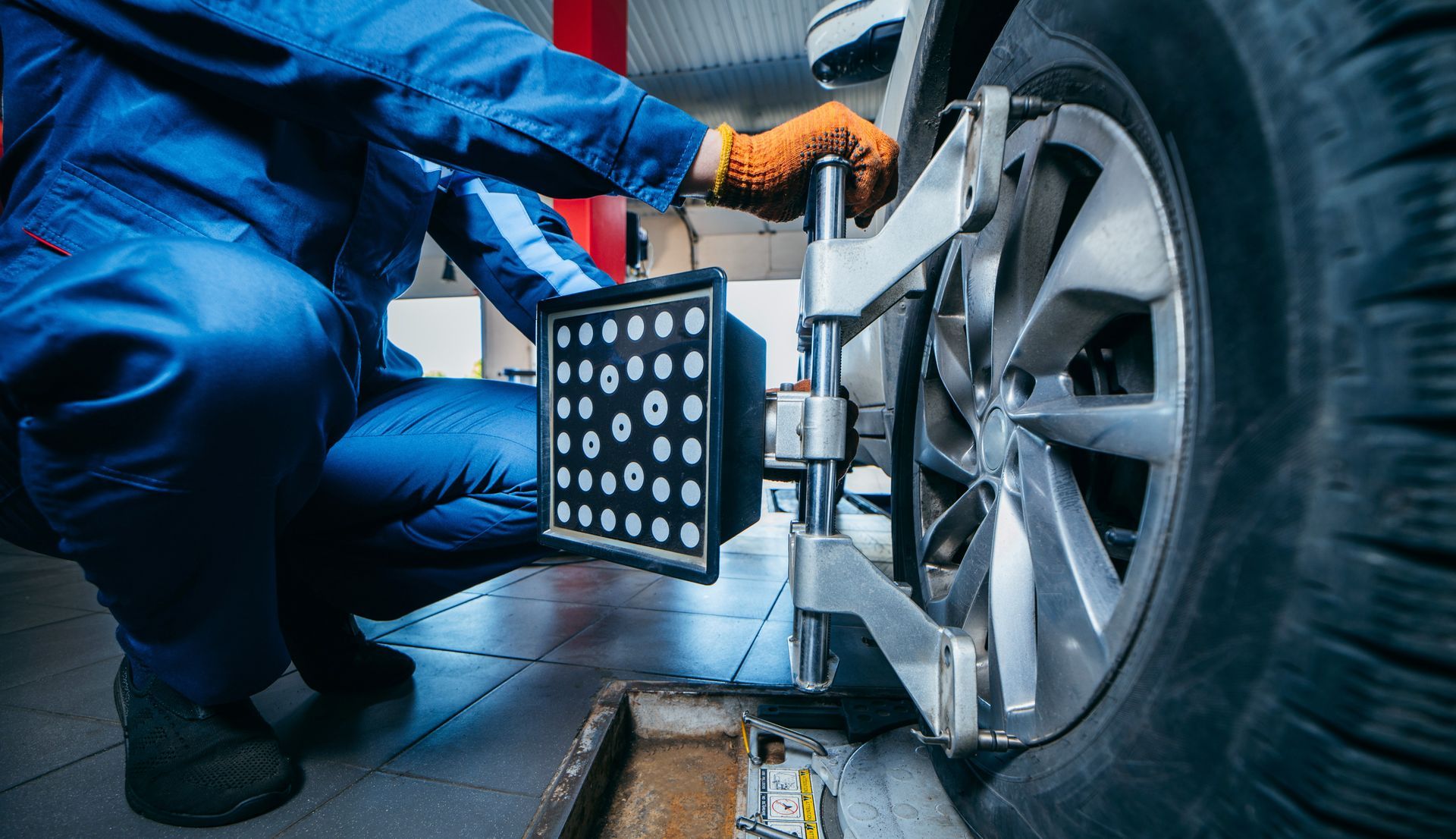
# What Potholes Do to Your Car (And Why Alignment Matters in New Hampshire) Every spring in New Hampshire, drivers experience the same seasonal tradition: **potholes.** Between freezing temperatures, thawing pavement, and heavy traffic, roads across Londonderry, Derry, Windham, and Manchester can quickly become rough on vehicles. What might feel like a quick bump in the road can actually cause **serious damage to your vehicle’s steering, suspension, and alignment.** At **Tires Too in Londonderry**, we see the effects of pothole damage every spring — and the good news is most issues can be corrected quickly if caught early. --- # Why Potholes Are So Common in New Hampshire New Hampshire roads go through constant **freeze-thaw cycles** during late winter and early spring. Here's what happens: 1. Water seeps into cracks in the pavement 2. Overnight temperatures freeze the water, expanding the pavement 3. Warmer daytime temperatures thaw the ice 4. Traffic breaks the weakened pavement apart The result? **Potholes that appear almost overnight.** And unfortunately, your vehicle’s suspension often absorbs the impact. --- # What Happens to Your Car When You Hit a Pothole When your vehicle drops into a pothole, several components can be affected instantly. Common issues we see include: * **Wheel alignment knocked out of specification** * **Bent or damaged suspension components** * **Worn ball joints or tie rods** * **Wheel or tire damage** * **Steering system stress** Even if the vehicle still drives normally, the alignment may already be slightly off. Over time this can lead to **premature tire wear and handling problems.** --- # Signs a Pothole May Have Damaged Your Alignment Many drivers don’t realize their alignment has changed until the symptoms become obvious. Watch for these signs: * Your **steering wheel is crooked** when driving straight * The vehicle **pulls left or right** * Tires begin **wearing unevenly** * The car **feels unstable at highway speeds** * Steering feels **looser than normal** If you notice any of these after hitting a pothole, it’s worth having the alignment checked. --- # Why Professional Wheel Alignment Matters Wheel alignment isn’t just about straightening the steering wheel. Proper alignment ensures: * Tires contact the road correctly * Steering responds accurately * Tires wear evenly * Suspension components last longer * Vehicle safety systems function properly At **Tires Too**, we use **Hunter alignment technology**, one of the most advanced alignment systems available today. Hunter systems allow our technicians to measure alignment angles with **extreme precision**, ensuring your vehicle is restored to factory specifications. --- # Modern Vehicles May Also Need ADAS Calibration Many newer vehicles include **Advanced Driver Assistance Systems (ADAS)** such as: * Lane Keep Assist * Adaptive Cruise Control * Automatic Emergency Braking * Collision Warning Systems * Lane Departure Warning These systems rely on **precise vehicle geometry** to function properly. When a vehicle’s alignment changes, it can sometimes affect how these systems interpret the road. That’s why **ADAS calibration may be required after certain suspension or alignment repairs**. At **Tires Too**, our technicians have the tools and expertise to properly calibrate these systems when necessary, helping ensure your vehicle’s safety technology performs exactly as designed. --- # Preventing Long-Term Damage from Potholes While potholes are unavoidable in New England, catching damage early can prevent larger repairs later. If you hit a pothole: 1. Pay attention to how the vehicle drives afterward 2. Watch for changes in steering or tire wear 3. Schedule an alignment inspection if something feels off A quick inspection can often prevent **hundreds of dollars in tire replacement costs later.** --- # Wheel Alignment and Suspension Repair in Londonderry, NH If you suspect pothole damage or your vehicle simply isn’t driving the way it should, the team at **Tires Too** is here to help. We provide: * Professional **Hunter wheel alignments** * Steering and suspension inspections * **ADAS system calibration** * Honest diagnostics and clear recommendations Serving drivers from **Londonderry, Derry, Windham, Chester, and Manchester, NH**, we focus on doing the job right the first time. Because at Tires Too, **we don’t fix cars — we keep your life in seamless motion.** --- # Frequently Asked Questions About Pothole Damage ### Can hitting a pothole damage my alignment? Yes. Even a single pothole impact can knock your wheel alignment out of specification. ### How do I know if my alignment is off? Common signs include pulling to one side, a crooked steering wheel, uneven tire wear, or unstable handling. ### Is pothole damage expensive to repair? In many cases, correcting the alignment is relatively inexpensive if addressed early. Waiting too long can lead to tire damage or suspension repairs. ### Do modern vehicles need ADAS calibration after alignment? Some vehicles do. If your vehicle has advanced driver-assistance systems, calibration may be required to ensure those safety features operate correctly. --- ## Schedule an Alignment Inspection If a New Hampshire pothole caught you by surprise this spring, let the team at **Tires Too in Londonderry** take a look. A quick inspection today can prevent bigger problems tomorrow.
Discover expert insights on vehicle alignment at Tires Too Auto Repair in Londonderry, NH. Ensure a smooth ride and extend tire life. Schedule an online appointment now!
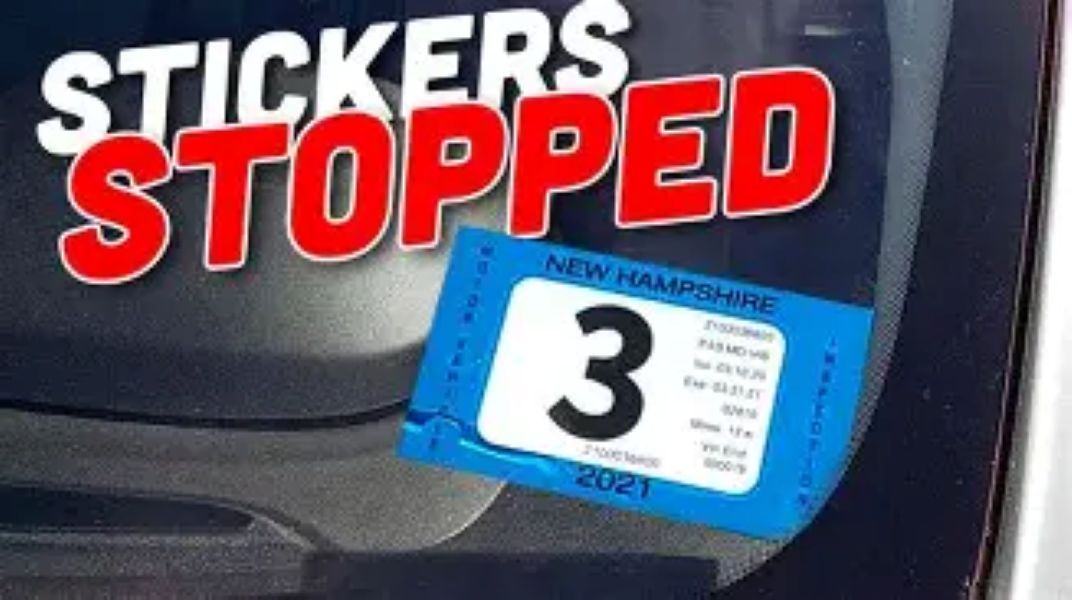
What is the current status of the NH State Vehicle Inspection Program? As of February 13, 2026, the New Hampshire Department of Safety has suspended the State’s mandatory vehicle inspection program until further notice. Can Tires Too perform State inspections or issue inspection stickers? No. Licensed inspection stations are not authorized to perform State-mandated inspections or issue State inspection stickers at this time. Why was the program suspended? Following recent court rulings and the State’s inability to continue its inspection vendor contract, the Department of Safety has suspended the program while legal and administrative matters are addressed. Do I need to do anything right now? At this time, State-mandated inspections are paused. We recommend staying informed as guidance may change. What if my inspection sticker is expired? The State inspection program is currently suspended. We are awaiting further direction from the Department of Safety regarding enforcement or future requirements. Can I still have my vehicle checked for safety? Absolutely. Even though State inspections are paused, your vehicle’s safety remains important. Tires Too continues to offer: Comprehensive vehicle safety checks Emissions and diagnostic services Brake, suspension, tire, and steering inspections Preventative maintenance services Will inspections return? The situation is still evolving. The State has indicated that legal proceedings are ongoing, and guidance may change. We will share updates as soon as they are available.
Optimize your vehicle's performance with expert oil change services at Tires Too Auto Repair in Londonderry, NH. Visit us today for reliable car care!